

NeuroStar TMS Therapy
Non-invasive, drug-free treatment for treatment-resistant depression and OCD. No anesthesia, no downtime, no systemic side effects.
Powered by AdvancedMD — HIPAA-compliant secure patient portal
FDA-Cleared
Since 2008
20–40 Min
Per session
4–6 Weeks
Full treatment course
Drug-Free
No systemic side effects
What is TMS Therapy?
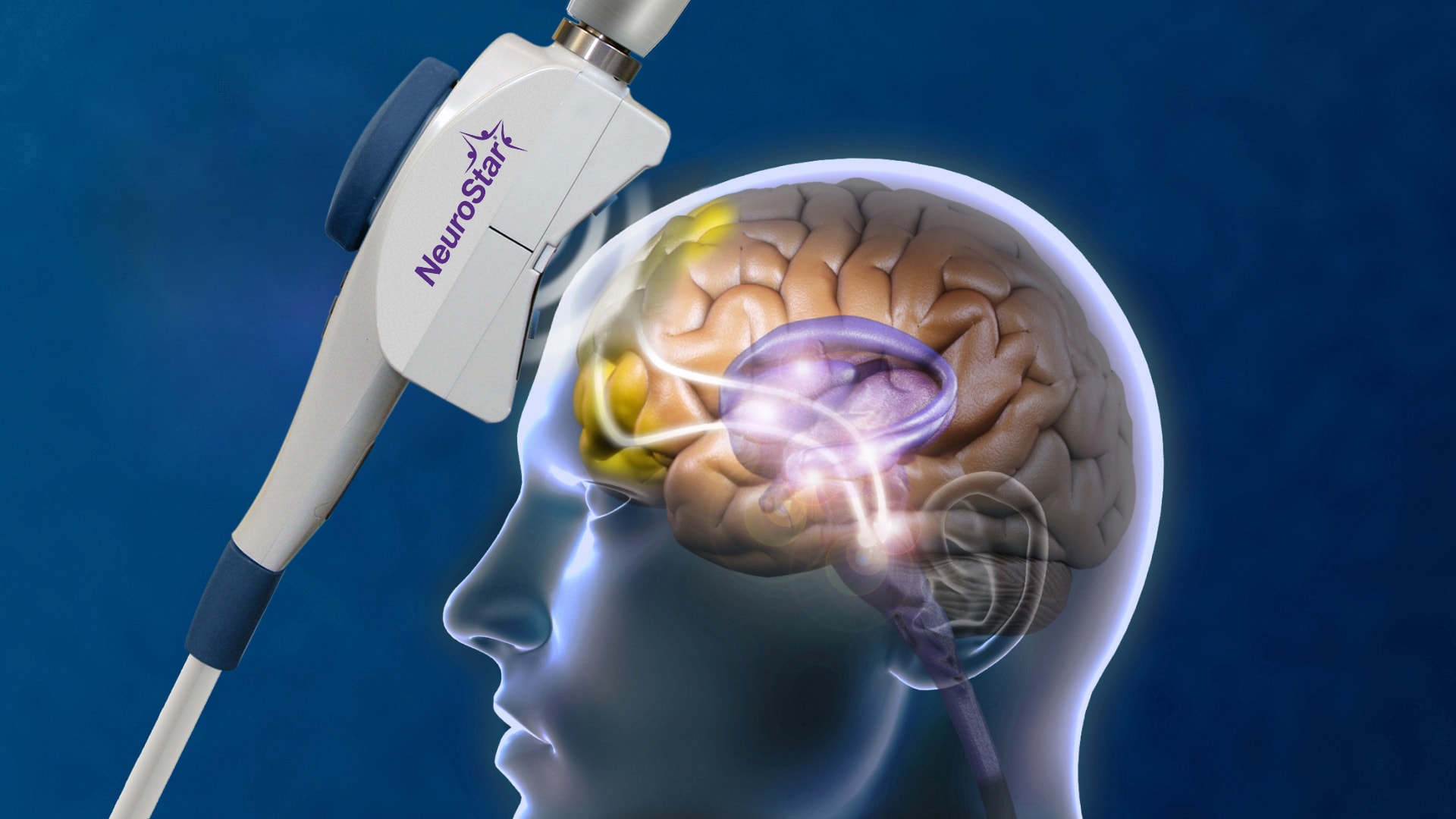
Transcranial Magnetic Stimulation (TMS) is an FDA-cleared, non-invasive treatment for major depressive disorder (MDD). NeuroStar TMS uses precisely targeted magnetic pulses to stimulate nerve cells in the region of the brain involved in mood control and depression, specifically the left prefrontal cortex.
TMS is an excellent option for patients who have tried antidepressant medications without adequate relief, or who experience intolerable side effects from medications. It is performed in our office, requires no anesthesia, and patients can drive themselves home and return to normal activities immediately after each session.
NeuroStar TMS is also FDA-cleared for obsessive-compulsive disorder (OCD) and anxious depression, making it a versatile treatment option for multiple conditions.
FDA-Cleared
For MDD and OCD
Non-Invasive
No surgery or anesthesia
20–40 Min
Per session
Drug-Free
No systemic side effects
Is TMS right for you?
TMS may be appropriate if you have been diagnosed with major depressive disorder and have not responded to at least one antidepressant medication.
Conditions Treated with TMS
Treatment-Resistant Depression
For patients with major depressive disorder who have not responded adequately to one or more antidepressant medications.
Major Depressive Disorder (MDD)
FDA-cleared as a first-line treatment option for MDD, including patients who prefer a non-medication approach.
OCD (FDA-Cleared)
NeuroStar TMS is FDA-cleared for obsessive-compulsive disorder, offering a non-drug treatment option for OCD.
Anxious Depression
FDA-cleared for major depressive disorder with comorbid anxiety symptoms, a common presentation in clinical practice.
Key Messaging
Answers to Your Most Important Questions
Does it work?
NeuroStar is a safe and uniform depression treatment without the systemic side effects of medication. Over 3.6 million NeuroStar Advanced TMS treatments have been performed in over 116,000 patients.
Does it hurt?
Many patients have found relief from their medication. The most common side effect with NeuroStar is mild to moderate pain or discomfort at the treatment site. For most patients this subsides within the first week of treatment.
Is it covered?
Most major insurances cover NeuroStar TMS, including Medicare. Over 300 million people have insurance plans that cover NeuroStar. Contact us to learn more about your coverage options.
The NeuroStar System
State-of-the-Art Treatment Technology
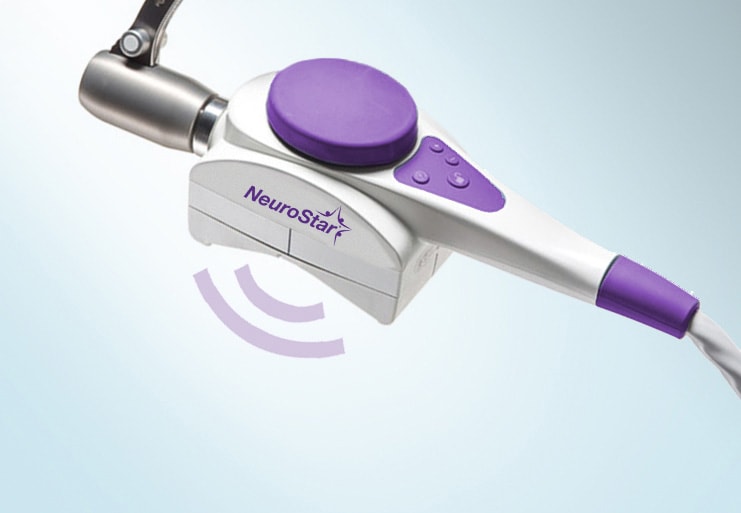
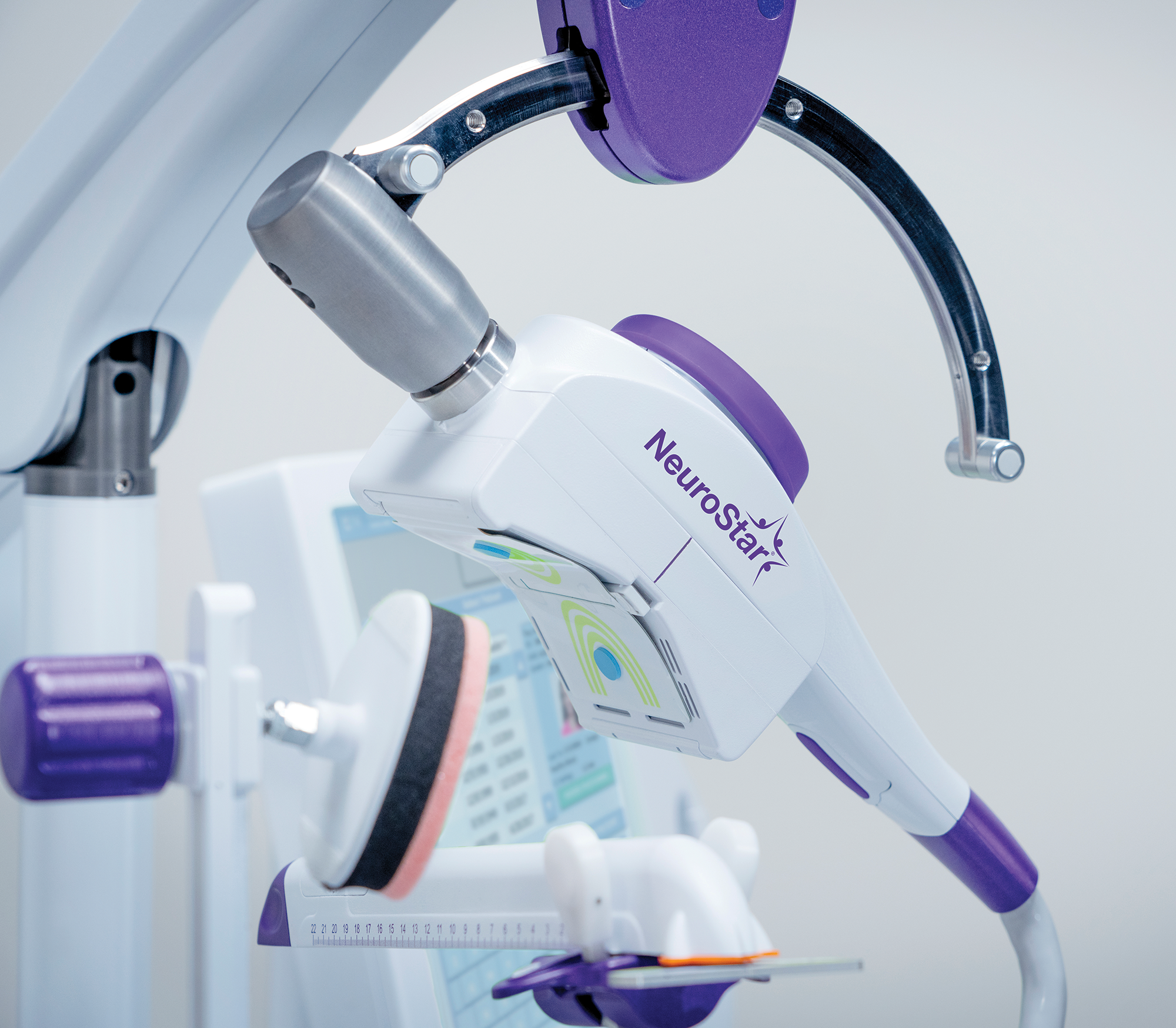
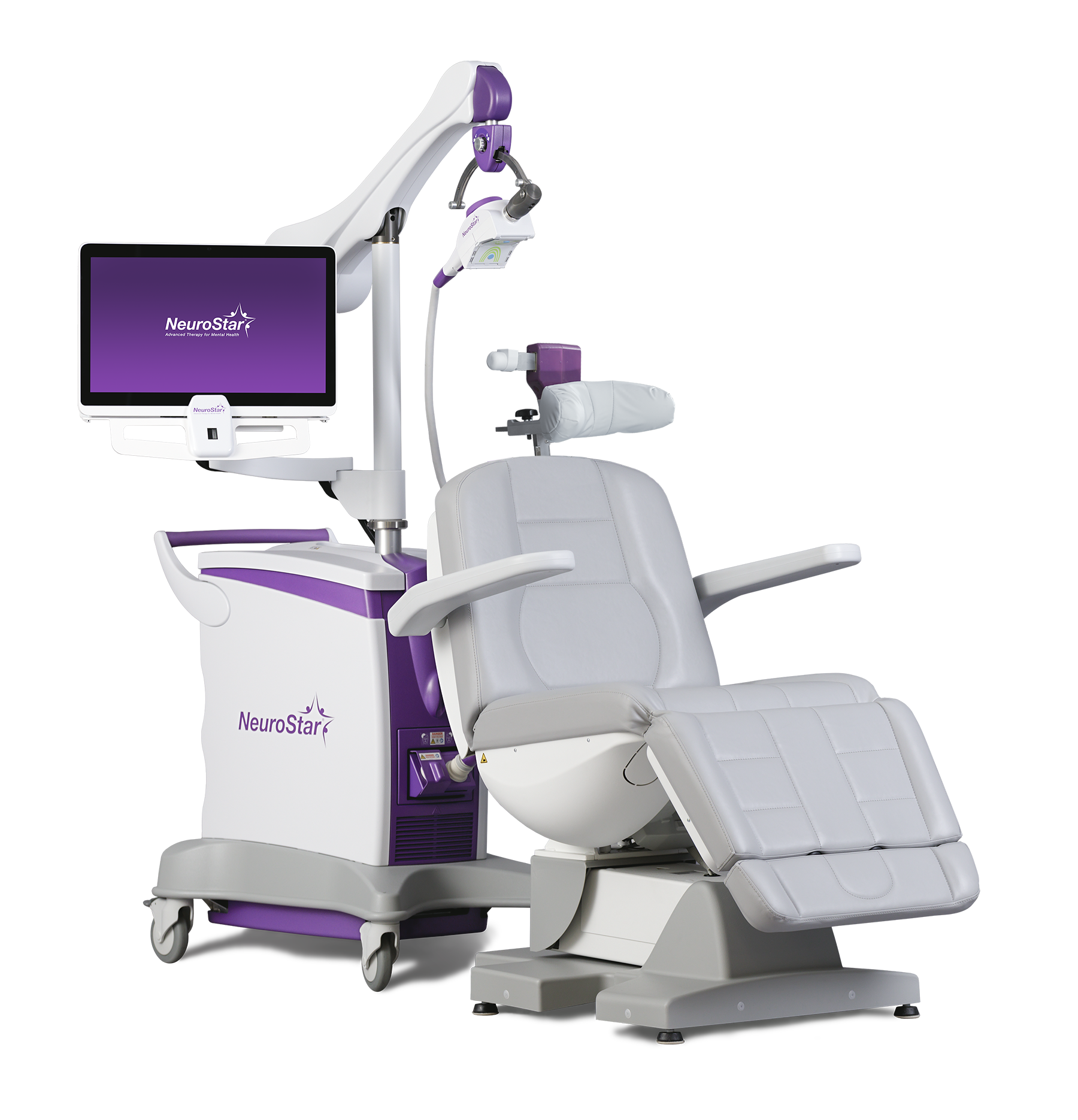
The NeuroStar Advanced Therapy System is the most clinically studied TMS device, with patented Contact Sensing technology that ensures the prescribed dose is delivered every treatment, every pulse.
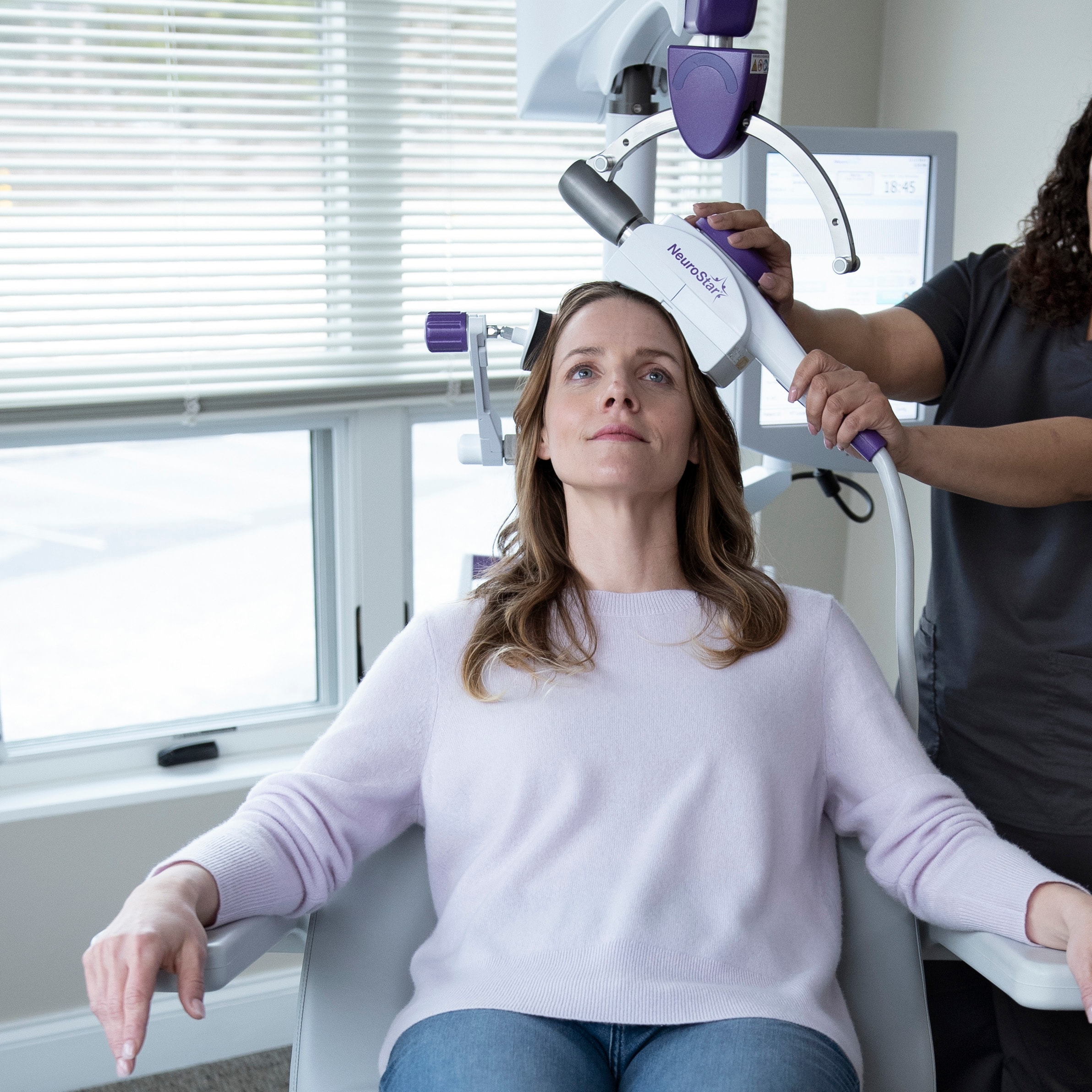
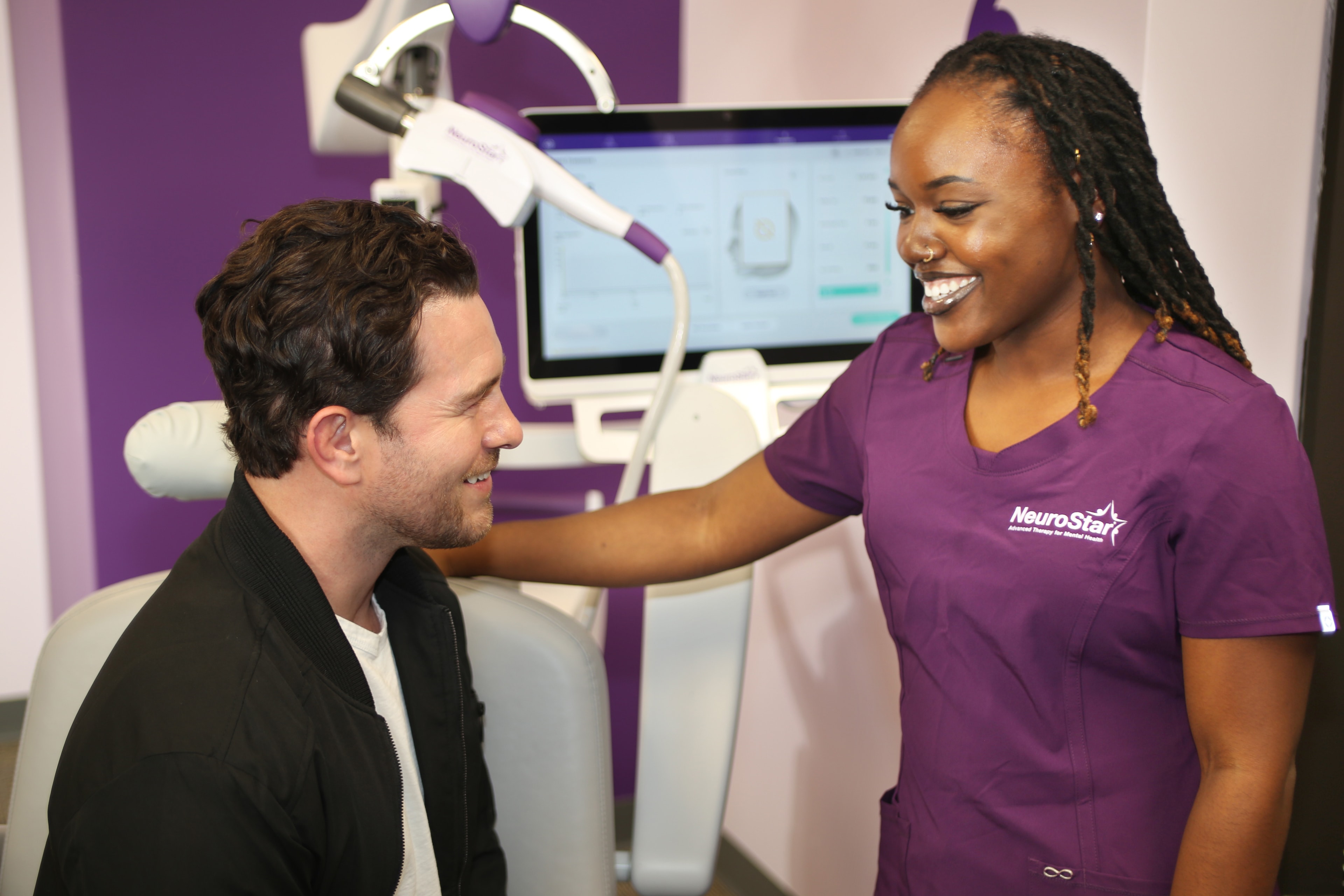
Patients sit comfortably in the treatment chair while the coil is precisely positioned. The system's ergonomic design and integrated monitoring make each session comfortable and consistent.
What to Expect from a NeuroStar TMS Session
Here's what you can expect from a NeuroStar Advanced Therapy (TMS) session.
Before Treatment
You'll recline comfortably in the treatment chair. A curved magnetic coil will be positioned on your head.
During Treatment
You'll hear a clicking sound and feel a tapping sensation on your head as the NeuroStar coil focuses treatment precisely at the source of the depression in the brain. The patented Contact Sensing technology ensures the prescribed dose is delivered, every treatment, every pulse.
After Treatment
With NeuroStar TMS you are fully awake and alert during treatment and may drive home and resume daily activities immediately after each session. A typical NeuroStar treatment plan includes 36 sessions. Each treatment session includes 36 sessions that each last between 19–37 minutes. Completing a full NeuroStar treatment course gives the best chance for delivering long-lasting relief from depression.
TMS vs. Antidepressant Medications
| Feature | TMS Therapy | Antidepressants |
|---|---|---|
| Systemic side effects | None | Common (weight gain, sexual dysfunction, etc.) |
| Sedation required | No | No |
| Drug interactions | None | Possible |
| Onset of action | 2–4 weeks | 4–8 weeks |
| FDA-cleared for MDD | Yes | Yes |
| Suitable for medication-resistant patients | Yes | Limited |
NeuroStar by the numbers
Trusted by Patients Nationwide
8.2M+
Treatments delivered
Data on file. Neuronetics, 2026.
223,000+
Patients supported
Data on file. Neuronetics, 2026.
FDA-Cleared
Since 2008 for depression
U.S. Food & Drug Administration
Real Patients. Real Results.
Every mental health journey looks different. These are stories from real NeuroStar patients who chose to keep going.
"At the end of treatment, I finally started noticing a difference. I have energy again, more than I ever had on antidepressants and without side effects."
Mariah
NeuroStar TMS patient
"NeuroStar TMS helped me reconnect with the positives in life, regain confidence, and experience happiness in a way I hadn't in years."
Daniel
NeuroStar TMS patient
"I was nervous about TMS but the process was explained so clearly. By week four I noticed I was waking up without that heavy feeling. It has been life-changing."
Rachel B.
NeuroStar TMS patient
"After two failed antidepressants, I was ready to give up. TMS gave me my life back. I am functioning at a level I have not seen in years."
Thomas W.
NeuroStar TMS patient
"The sessions were easy to fit into my schedule and the staff made me feel completely at ease. By the end of the course I felt like a different person."
Linda S.
NeuroStar TMS patient
"I had tried every medication my previous doctor suggested. TMS was the first treatment that actually worked. I wish I had found it sooner."
James P.
NeuroStar TMS patient
"No sedation, no grogginess, I drove myself home after every session. The results crept up on me slowly and then one day I realized I felt genuinely okay."
Carrie N.
NeuroStar TMS patient
"My depression had been treatment-resistant for over a decade. After TMS I finally have hope. Amy and her team were compassionate every step of the way."
Robert H.
NeuroStar TMS patient
Insurance May Cover Your TMS Treatment
Many insurance plans cover NeuroStar TMS therapy for adults with depression who have not achieved improvement from traditional antidepressant medication. As an out-of-network provider, we can provide documentation to support your insurance claim.
TMS Therapy: Frequently Asked Questions
What is NeuroStar Advanced Magnetic Stimulation (TMS)?
NeuroStar TMS is a non-drug, non-invasive treatment that uses focused magnetic fields to stimulate underactive areas of the brain to improve symptoms of depression. NeuroStar is a safe, effective depression treatment for people who have not found relief from antidepressant medication.
How does NeuroStar TMS work?
NeuroStar uses focused magnetic pulses similar in strength to an MRI to reactivate underactive areas of the brain involved in regulating mood. When these regions are underactive, depression can result. Working out these regions can have a lasting effect on depression, making long-term remission from depression a reality for many people.
How long is NeuroStar TMS treatment?
A typical NeuroStar treatment plan includes 36 sessions that each last between 19–37 minutes. Your doctor will determine what is right for you. Completing a full NeuroStar treatment course gives the best chance for delivering long-lasting relief from depression.
Is NeuroStar TMS Therapy covered by my insurance?
NeuroStar is covered by most major insurance plans, including Medicare and Tricare. Over 300 million people have insurance plans that cover NeuroStar.
Is NeuroStar TMS Therapy a good alternative for patients who cannot tolerate the side effects of antidepressant medications?
NeuroStar is a safe and effective treatment without the systemic side effects of medication. The most common side effect is mild to moderate pain or discomfort at the treatment site. For most patients this subsides within the first week of treatment.
Is NeuroStar TMS Therapy like other alternative therapies that use magnets to treat some illnesses?
TMS Therapy is very different from other magnet-based therapies. The therapeutic benefit of the magnetic field is similar to that of an MRI. These techniques either naturally limit the population and impact of low-intensity static magnetic fields. These products deliver weak and extended static fields that are not capable of activating brain cells. The activation and stimulation of brain cells is a key part of why TMS is so effective.
Indication Statement:
Adult Indications for Use
The NeuroStar Advanced Therapy System is indicated for the treatment of depressive episodes and for decreasing anxiety symptoms for those who may exhibit comorbid anxiety symptoms in adult patients suffering from Major Depressive Disorder (MDD) and who failed to achieve satisfactory improvement from previous antidepressant medication treatment in the current episode.
The NeuroStar Advanced Therapy System is intended to be used as an adjunct for the treatment of adult patients suffering from Obsessive Compulsive Disorder (OCD).
Adolescent Indications for Use
NeuroStar Advanced Therapy is indicated as an adjunct for the treatment of Major Depressive Disorder (MDD) in adolescent patients (15–21).
Important Safety Information
NeuroStar Advanced Therapy is only available by prescription. A doctor can help decide if NeuroStar Advanced Therapy is right for you. Patients' results may vary.
The most common side effect is pain or discomfort at or near the treatment site. These events are transient; they occur during the TMS treatment course and do not occur for most patients after the first week of treatment. There is a rare risk of seizure associated with the use of TMS therapy (<0.1% per patient).
Visit neurostar.com for full safety and prescribing information.
Is TMS Right for You?
Schedule a free NeuroStar consultation to find out if NeuroStar TMS therapy is right for you. We are a certified NeuroStar provider accepting new patients across Indiana.
Powered by AdvancedMD — HIPAA-compliant secure patient portal